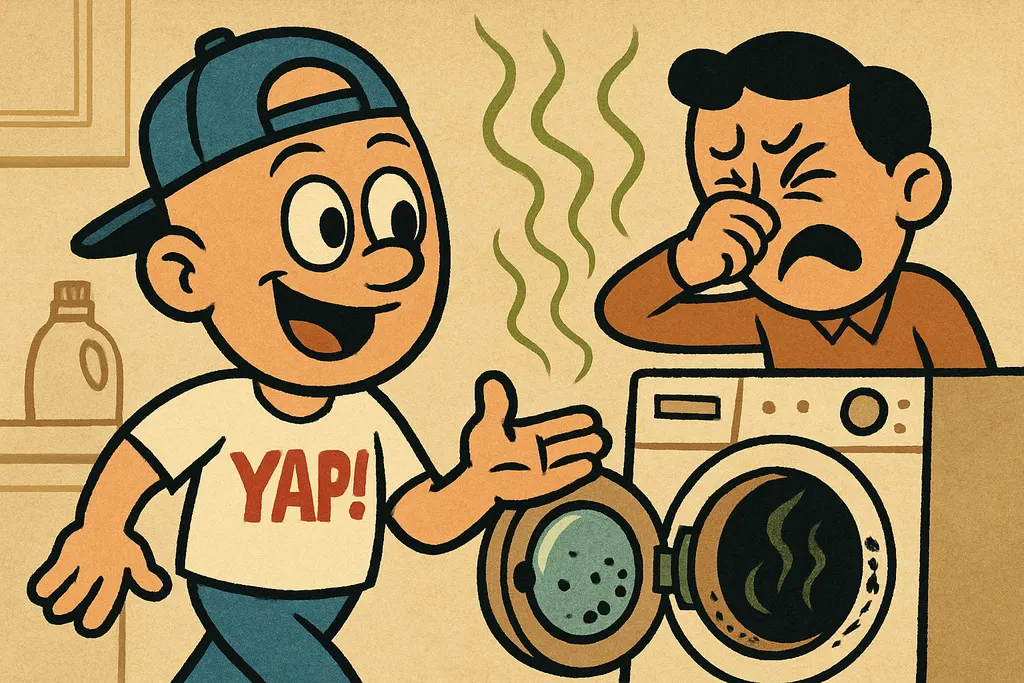
Your front load washer smells like a gym locker and there's black fuzz growing on the rubber door gasket, yeah, that's mold, and it's more common than you think.
What's Actually Going On
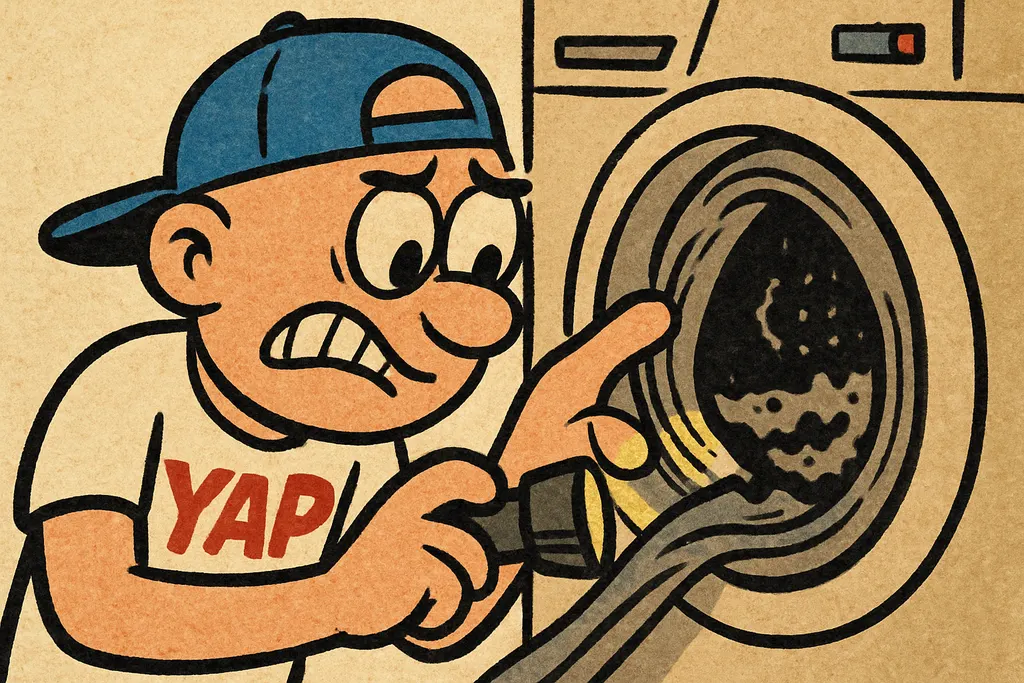
Front load washers are incredible at getting clothes clean, but their design has one major flaw: that rubber door seal (the gasket that creates a watertight ring around the door opening) is basically a mold hotel. Water, detergent residue, and lint all get trapped in the folds of the gasket after every cycle. The door stays sealed tight, the drum holds humidity, and boom, you've got the perfect dark, damp environment for washing machine gasket mold to move in and get comfortable.
Here's the dirty secret the appliance industry doesn't love advertising: front load washer mold is almost always a maintenance problem, not a defect. Using too much detergent is one of the biggest culprits. That extra soap doesn't all rinse out, it leaves a sticky film in the gasket folds that feeds mold like fertilizer. High-efficiency machines are designed for HE detergent used in the right amounts, and most people are using way too much of both.
Washer door seal mildew can also sneak up on you if you're in the habit of closing the door immediately after a wash. It's an innocent move that completely kills airflow and traps moisture inside. Over time, that mildew smell gets baked in, and if the gasket gets bad enough, cracking, tearing, or developing deep mold roots, you're looking at a full door seal replacement, plus laundry that comes out smelling worse than it went in.
The Fix
Here's how you tackle this in two phases: clean what you've got, then prevent it from coming back.
Phase 1: Clean the existing mold
- Mix one cup of white vinegar or a diluted bleach solution (check your washer's manual, some manufacturers advise against bleach on gaskets).
- Pull back the gasket folds with your fingers and wipe out every visible mold spot using a rag or old toothbrush. Get into the crevices, that's where it hides.
- Run an empty hot water cycle with two cups of white vinegar in the drum.
- Follow up with a second empty cycle using a washer cleaning tablet or a half-cup of baking soda.
- Wipe the gasket dry when it's done.
Phase 2: Prevent it from coming back
- Leave the door cracked open after every single wash. This is non-negotiable, fam.
- Switch to HE detergent if you haven't already, and use the recommended amount (usually less than you think).
- Wipe down the door seal with a dry cloth after each load.
- Run a hot cleaning cycle once a month.
- Pull back the gasket folds occasionally and check for early-stage buildup.
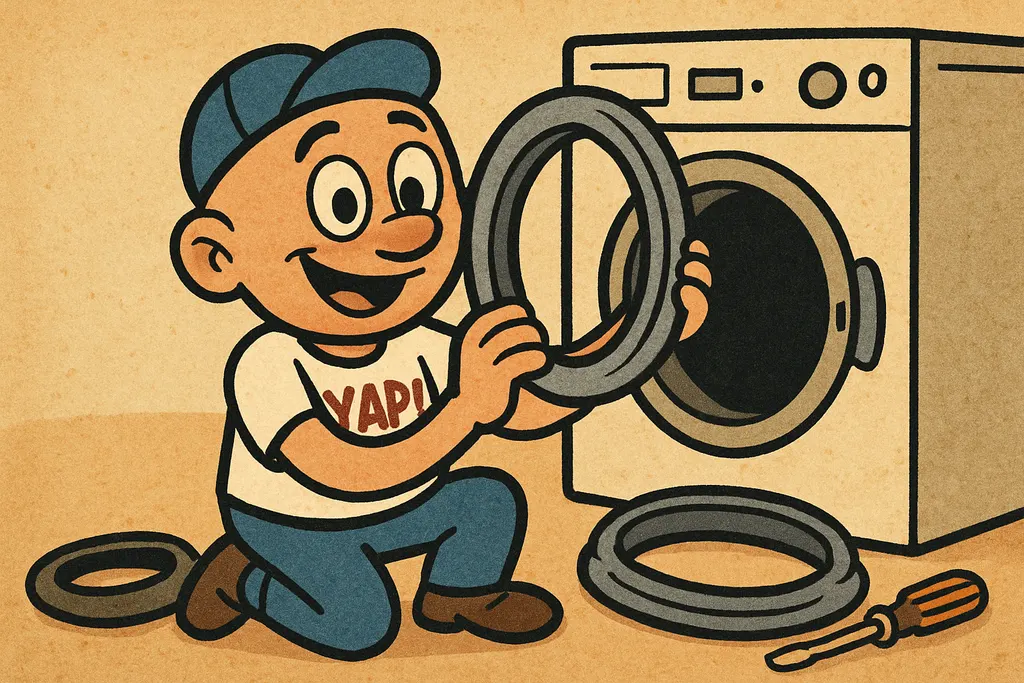
If the mold has already eaten into the rubber, you're seeing cracks, tears, or the seal is pulling away from the drum, cleaning won't cut it. That door seal needs to come out and get replaced. The good news is the door seal/gasket on most front loaders is a DIY-friendly repair with basic tools and a little patience. Part availability depends on your brand and model, so bring us your model number and we'll get you the right one.
When to Call YAP vs DIY
DIY it: If your seal is intact and the mold is surface-level, the cleaning routine above is totally doable on a Saturday morning, no parts needed.
Call YAP: If the gasket is torn, cracked, leaking, or so saturated with mold that cleaning makes no dent, it's time to replace the door seal. Swing by or text us your washer's model number and we'll pull the right part same day.
If you're in the Piedmont, Oklahoma area and dealing with front load washer mold that's past the point of no return, don't mess around with a compromised gasket, water leaks and ruined laundry aren't worth it. Stop by the YAP shop on your lunch break or text 405-876-8100 and we'll get you sorted out fast.
Find your exact part.
Tell us your model number and what's broken, we'll match the OEM part, price, and availability in under 5 minutes.
Find My Part →