Your GE Profile refrigerator is completely warm, and now you're spiraling down a rabbit hole of "is it the compressor or the motherboard?", relax, bro, we can figure this out.
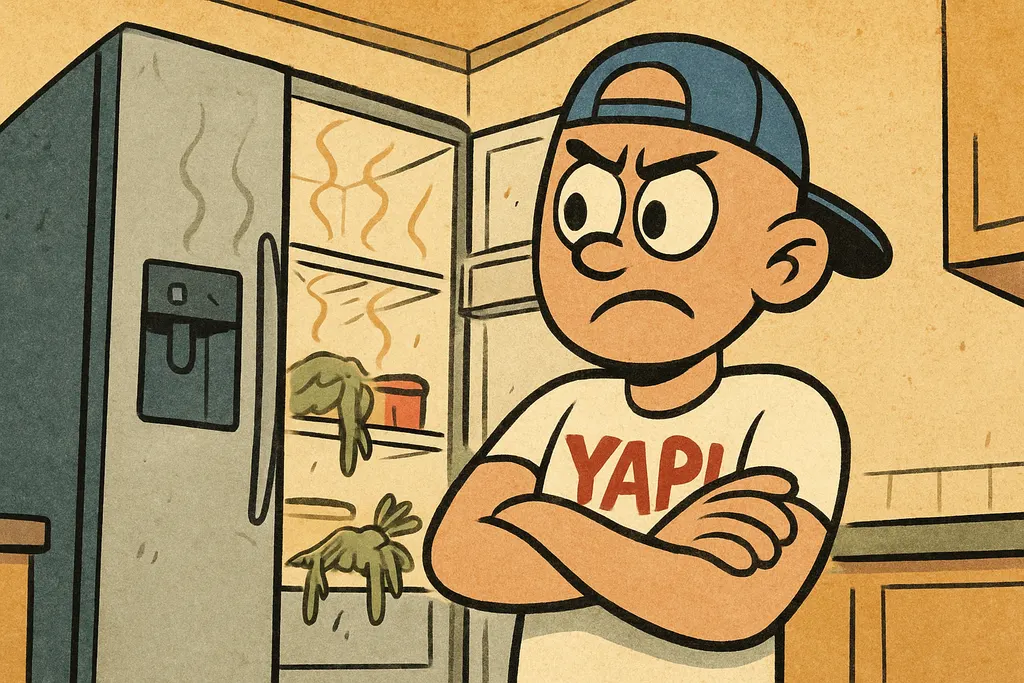
What's Actually Going On
When your GE Profile has no cool at all, not even a little, you're dealing with one of two heavy hitters: the compressor or the main control board. Both can kill your fridge dead, but they fail in totally different ways, and confusing them will cost you real money. The compressor is the heart of the refrigeration system; it pressurizes refrigerant and drives the whole cooling cycle. The main control board is the brain that tells the compressor when to kick on. If the brain's not sending the signal, the heart just sits there doing nothing, and your food rots.
Here's the thing that trips most people up: a failed control board and a failed compressor look identical from the outside. Warm fridge, no compressor hum, maybe a clicking sound every few minutes. That clicking, by the way, is usually the compressor trying to start and failing, which points more toward the compressor itself rather than the board. If the board were truly dead, you'd often lose other functions too, like the display panel going dark or the ice maker controls going completely unresponsive.
One more clue: listen for the evaporator fan. Open the freezer and put your hand near the back wall vent. If you feel airflow, the board is sending some power and the fan motor is running, that shifts suspicion heavily toward the compressor. No airflow at all? The board might be the culprit, or you could have a failed fan motor layered on top of the problem. GE Profile no-cool calls are rarely simple, fam, but they are diagnosable.
The Fix
Here's the honest breakdown of how to attack this step by step:
- Check for error codes first. On most GE Profile models, hold the freezer temp buttons simultaneously to pull diagnostic codes. A compressor fault code is your smoking gun.
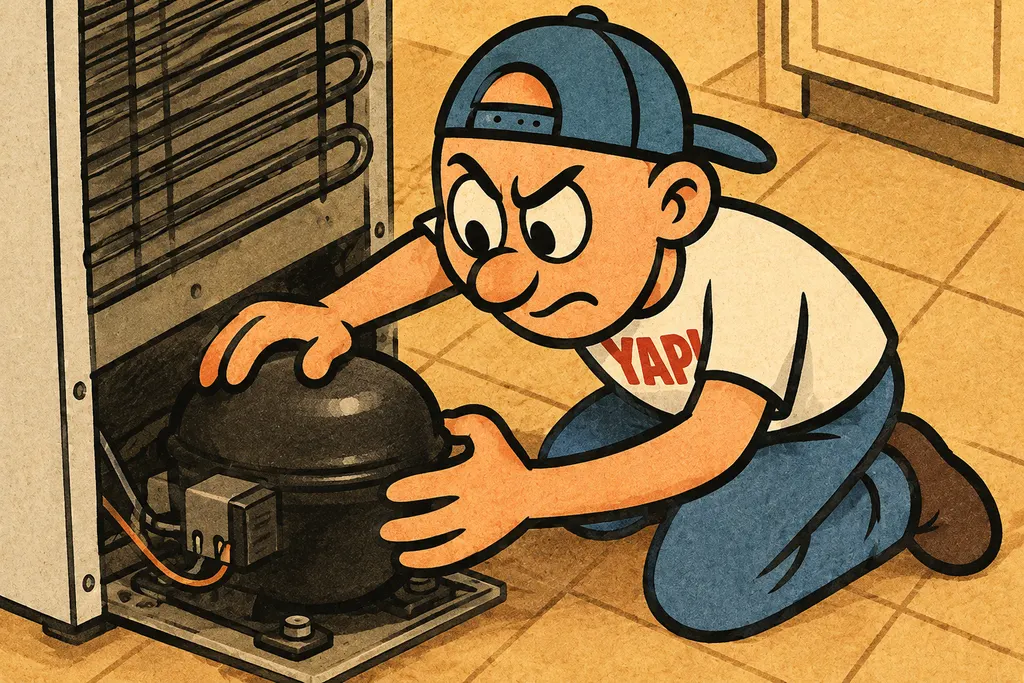
- Listen for the compressor. At the back bottom of the fridge, the compressor is a black dome-shaped unit. Put your hand on it, it should be warm to the touch and humming. Stone cold and silent after the fridge has been running for an hour? Not good.
- Check for clicking/startup attempts. That rapid click-click-click every few minutes is the compressor relay or the compressor itself failing to start. The start relay is a small, cheap part that plugs into the side of the compressor, shake it, and if it rattles like a maraca, replace it before you do anything else. This is a $15, $30 fix and saves you from jumping straight to a compressor.
- Test the control board outputs. If you're comfortable with a multimeter, check whether the board is sending voltage to the compressor circuit. Voltage present but compressor not running = compressor issue. No voltage = board issue (or a wiring harness problem).
- Compressor replacement is a major repair, parts plus labor often runs $400, $700+, and on older units it's worth weighing against replacement. The main control board for most GE Profile refrigerators lands in the $100, $200 range for the part itself, and it's a much more approachable DIY swap.

When to Call YAP vs. DIY
DIY it if you've confirmed it's the start relay or the main control board, both are reasonable swaps for anyone comfortable pulling an appliance apart and following a wiring diagram.
Call us if the compressor itself is confirmed dead, because that's a refrigerant-involved repair that requires an EPA-certified tech, and you'll want a real conversation about whether the repair pencils out on your specific unit.
Swing by the Piedmont shop or text 405-876-8100 and tell us what codes you're pulling and what the compressor sounds like, we'll point you straight at the right part and save you from throwing money at the wrong one.

Find your exact part.
Tell us your model number and what's broken, we'll match the OEM part, price, and availability in under 5 minutes.
Find My Part →