You asked a tech who fixes washers for a living what they actually put in their machine, and bro, the answer might surprise you.
What Most People Are Getting Wrong
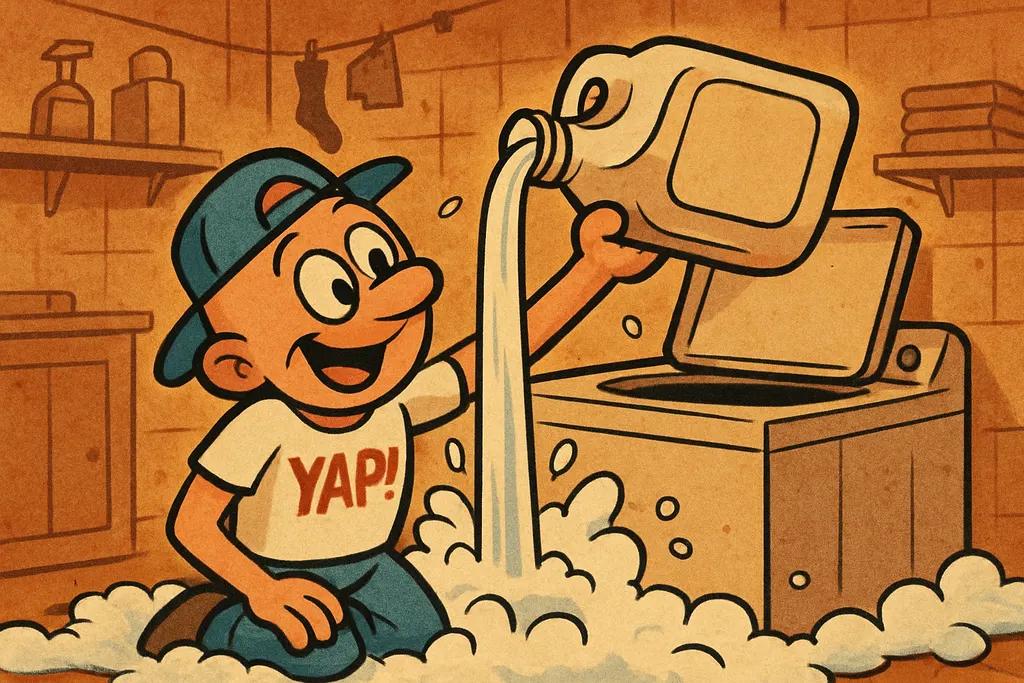
Here's the thing nobody tells you at the checkout line: the number one enemy of your washing machine isn't age, it's too much detergent. We see it constantly, machines coming into the shop gunked up with residue, bearings failing early, drum seals going soft, mold growing in places you don't want to think about. All of it traces back to people guessing at how much laundry detergent to use and going way over.
Modern HE (High Efficiency) washers especially get wrecked by this. Those machines use a fraction of the water that old top-loaders did, which means there's way less rinse cycle to flush out excess soap. You dump in a full cap of detergent, and half of it never leaves the machine. It just sits there, building up, rotting things from the inside. Not great, fam.
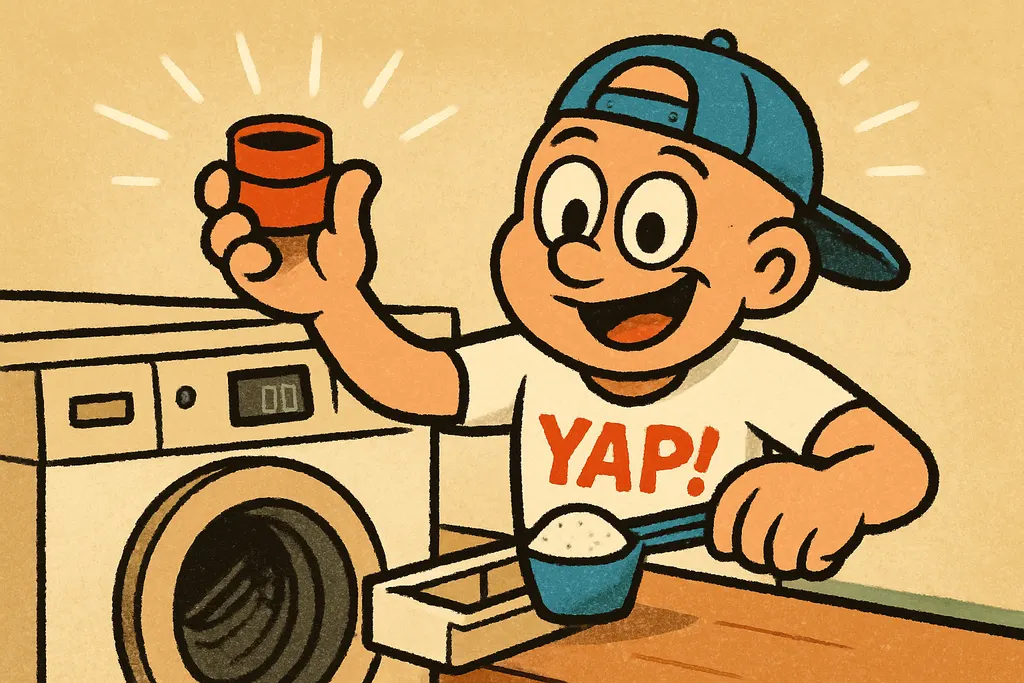
The detergent industry doesn't help. Those measuring lines on the cap? Ignore them. They're not calibrated for your machine or your load size, they're calibrated to sell you more detergent faster. A single tablespoon of original Tide (the liquid, the classic, the one that smells like your grandma's laundry) does the job for a standard load. That's it. One tablespoon.
The Tech's Actual Routine
Here's the full laundry playbook, straight from someone who tears apart washers for a living and absolutely cannot afford to be replacing their own pump every two years:
- One tablespoon of original Tide liquid. Not the pod, not the ultra-concentrated 18-scent version, just the original. It's gentle on internals, rinses clean, and it actually works. This is probably the single best detergent for washing machine longevity.
- OxiClean for anything with a stain. A scoop of OxiClean powder dropped directly on the stain before the load goes in. It's oxygen-based, it rinses out completely, and it doesn't leave a film on your drum seal or your clothes.
- Scent beads only for special occasions. Those little plastic-coated fragrance beads are cute, but they can leave a waxy buildup inside your machine over time, especially in the drum and the drain filter. Save them for the date-night sheets. Don't run them every load.
That's the whole routine. No fabric softener (it coats fibers and gunks up your dispenser drawer), no dryer sheets in the washer (obviously), no mystery pods that cost $1.50 each and don't dissolve right in cold water.
The other appliance technician laundry tip that gets ignored constantly: run a hot water cleaning cycle once a month, no detergent, no clothes, just hot water. Flush the system. Your machine will thank you.
When to Call YAP vs DIY
DIY: Adjusting your detergent routine costs you nothing and you can start today. If your machine smells funky or your clothes aren't coming out clean, change your soap habits first before you start buying parts.
Call YAP: If you've already got residue buildup causing real damage, a clogged drain pump, a gunked-up dispenser drawer that won't drain, or a drum seal that's gone soft, those are parts problems now, and we can get you sorted. Swing by the Piedmont shop or text 405-876-8100 and tell us what you're seeing.
We stock drain pumps, dispenser drawers, drum seals, and everything else that suffers when people over-soap their machines. No judgment, we've all been there. But now you know better.
Find your exact part.
Tell us your model number and what's broken, we'll match the OEM part, price, and availability in under 5 minutes.
Find My Part →