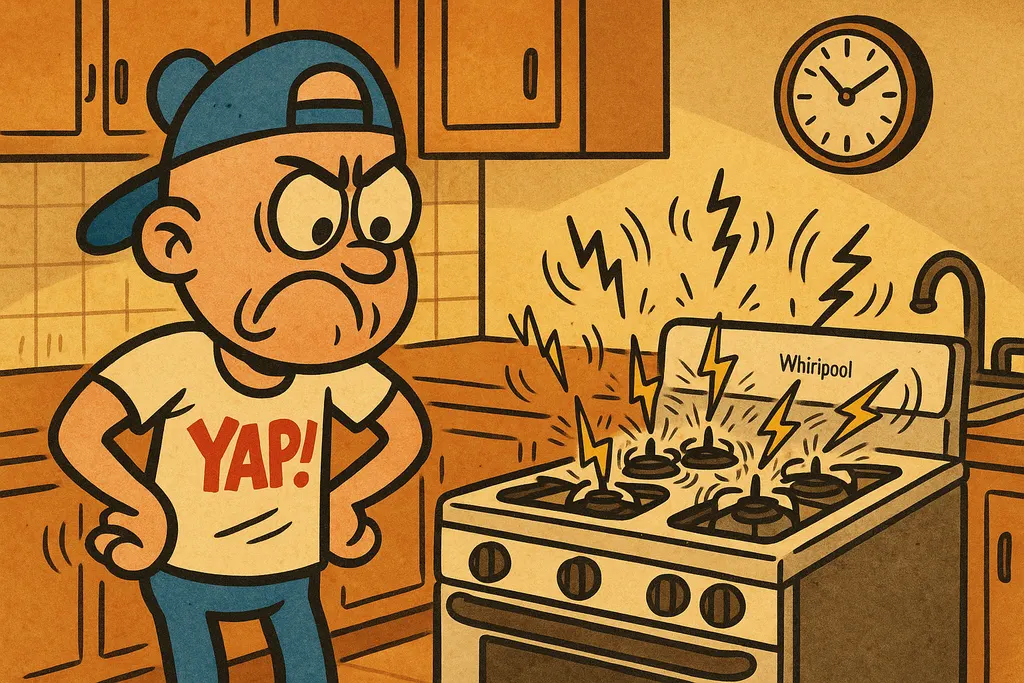
Your burner won't light, or it's sitting there clicking like a nervous tick with zero flame — either way, you're annoyed, your dinner's cold, and you're Googling at 11pm. Good news: this is almost always a simple fix.
What's Actually Going On
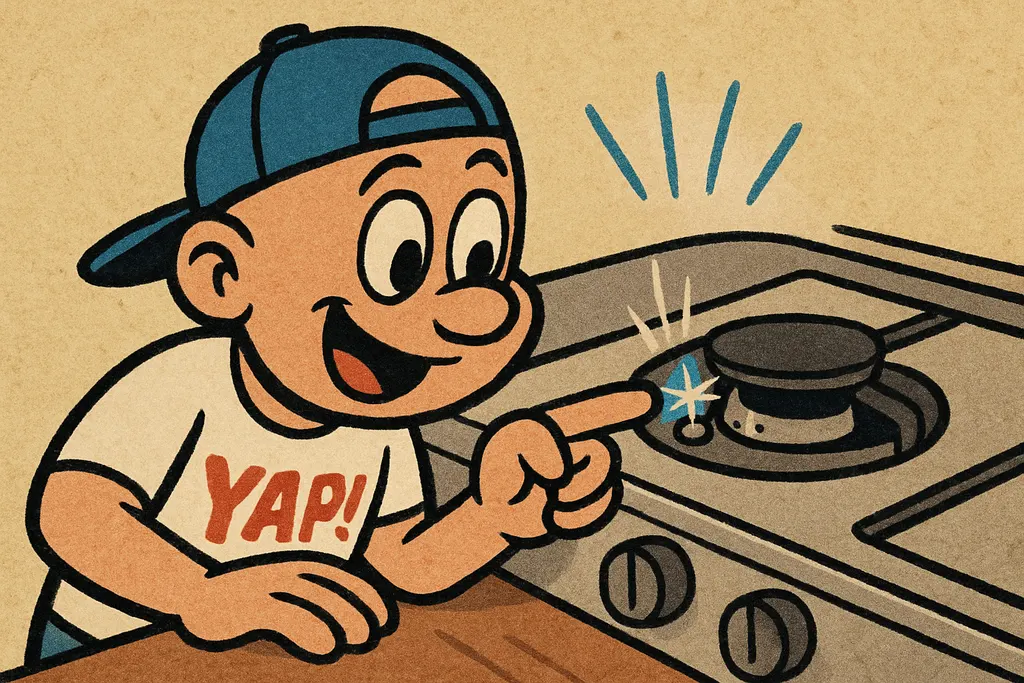
When you turn a gas burner knob, a spark igniter fires to light the gas coming out of the burner. It's a small ceramic and metal component that sits right next to the burner cap, and it takes a beating every single time you cook. Over time — especially if you've ever boiled something over and flooded the stovetop — the igniter gets cracked, corroded, or just plain worn out.
There are two ways a bad igniter shows up. The first is the dramatic one: you turn the knob and nothing happens. No click, no spark, no flame. Dead silence. The second is arguably more annoying — the burner clicks continuously even when it's already lit (or when you haven't even touched it), because the igniter module is getting a false signal or there's moisture messing with the sensor.
Either way, the igniter itself is almost always the culprit. It could also be the igniter switch (the part that tells the igniter to fire) or the igniter module (the brain that controls the whole system), but nine times out of ten, swapping the igniter stops the problem cold. That's the part you start with because it's the cheapest and easiest to replace, and it solves the stove-not-igniting issue the vast majority of the time.
The Fix
Here's how to tackle a stove igniter replacement without losing your mind:
- Cut the power. Unplug the stove or flip the breaker. Yes, even for a gas stove — the igniter runs on electricity.
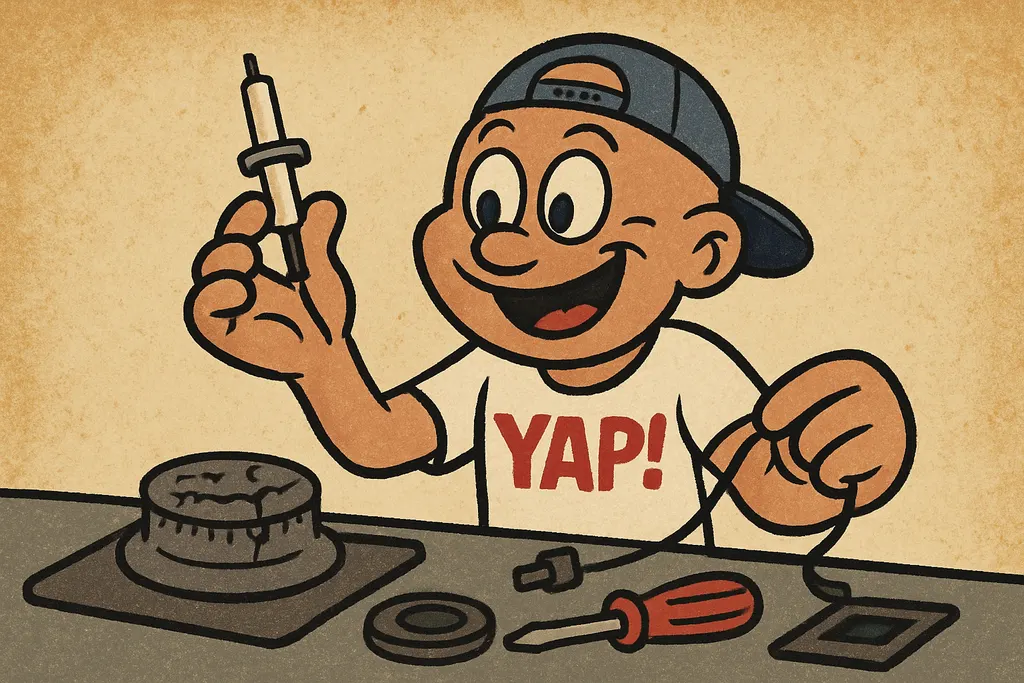
- Pull off the burner grate and burner cap. Set them aside. You'll see the igniter sitting right there, a little ceramic nub with a wire attached.
- Check the igniter for visible damage. Cracks, chips, carbon buildup, or a greenish corrosion crust are all signs it's toast. If it looks clean and intact, dry it out with a hair dryer on low and test it — moisture can cause the constant-clicking symptom and sometimes dries out on its own.
- Unplug the old igniter. The wire harness usually just unplugs. Note how it's routed so reinstallation is easy.
- Match and install the new igniter. Bring your stove's model number to us — the igniter needs to match your brand and burner configuration. Plug in the new one, set it back in position, reinstall the burner cap and grate.
- Restore power and test. Should light on the first click.
Parts cost for a replacement igniter typically runs anywhere from about $15 to $50 depending on your stove brand. That's a fraction of what a service call costs, and the repair itself takes maybe 15 minutes.
When to Call YAP vs. DIY
DIY this one. Seriously. If you can remove a burner grate and unplug a wire, you can replace an igniter. It's one of the most beginner-friendly appliance repairs out there.
Call us if you've already replaced the igniter and the burner still won't light — at that point we need to talk about the igniter switch or module, and we can help you figure out which one based on your symptoms.
Whether you need to confirm the right part for your model or you just want someone to double-check your diagnosis before you buy anything, swing by the Piedmont shop or text us at 405-876-8100 and we'll get you sorted fast. We stock igniters for most major brands and we're not going to upsell you on parts you don't need — that's just not how we operate.
Find your exact part.
Tell us your model number and what's broken — we'll match the OEM part, price, and availability in under 5 minutes.
Find My Part →