You're standing in the appliance aisle (or doom-scrolling product listings at midnight) trying to figure out whether that big plastic post in the middle of a washer tub is your friend or your enemy — and nobody's giving you a straight answer.
What's Actually Going On
Let's clear the air on what these two machines even are. A top load washer with an agitator has a tall, finned spindle in the center of the tub. It twists back and forth during the wash cycle, physically dragging clothes through the water and detergent. It's loud, it's aggressive, and honestly? It's been doing its job since your grandma was doing laundry. An impeller-based washer (the "no agitator" style) uses a low-profile disc or cone at the bottom of the tub that spins and creates turbulent water currents to move clothes around. Less drama, different physics.
The big trade-off in any top load washer comparison is this: agitators clean by mechanical action — brute force, basically — while impellers clean by water action. Neither is magic. Both work. But they work differently depending on what you're washing, how dirty it is, and how much you care about your clothes lasting more than three years.
Here's where it gets interesting for the agitator vs no agitator washer debate: impeller machines typically use significantly less water because the tub doesn't need to be fully submerged. That's a win for your water bill. But agitator machines tend to get heavily soiled work clothes, muddy kids' stuff, and barn gear cleaner on the first pass — because nothing beats a good physical scrubbing.
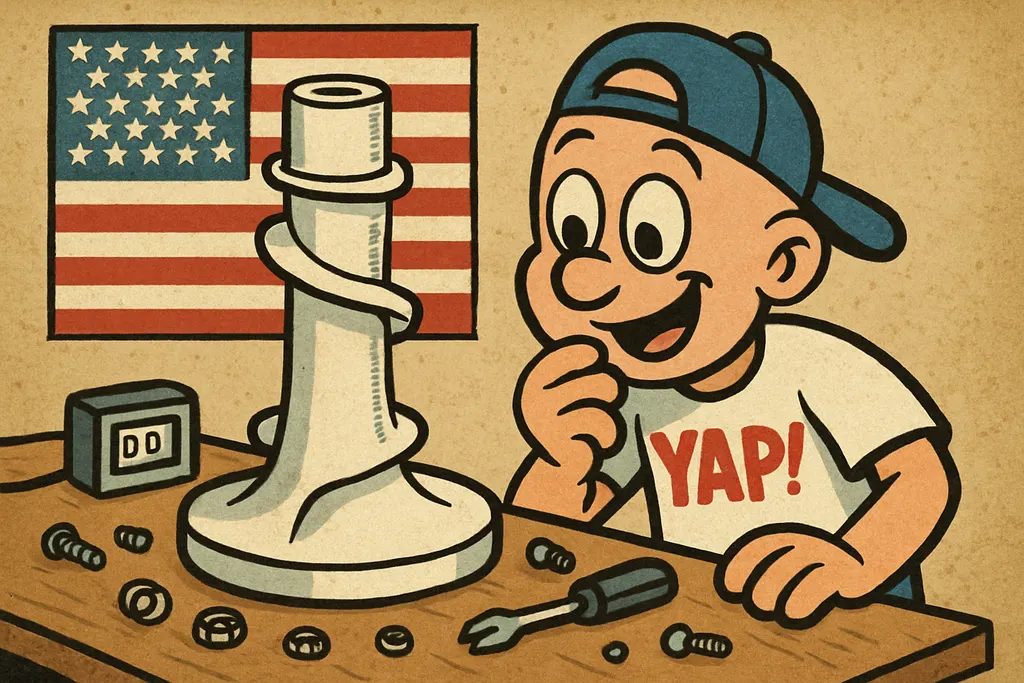
The Fix (a.k.a. Which One Should You Actually Buy)
There's no single "best washing machine type" for everyone, but here's a real breakdown to help you decide:
Choose an agitator washer if:
- You wash a lot of heavily soiled loads (farm clothes, athletic gear, greasy work uniforms)
- You want a faster, more straightforward wash cycle
- You're washing mostly cotton basics and don't care about gentle handling
- Budget is tight — agitator machines are often cheaper upfront and cheaper to repair
- You or someone in the house is washing infrequent but very dirty loads
Choose an impeller (no agitator) washer if:
- You're washing delicates, activewear, dress shirts, or anything you don't want shredded
- You want to save water and energy over time
- You're doing large, bulky loads like comforters or sleeping bags (more tub space without that center post)
- You prefer a quieter, gentler machine
- High-efficiency is a priority and you're cool with longer cycle times
One real talk note: impeller machines can tangle clothes more than people expect if you overload them. Agitators are accused of being hard on fabrics, but if you're not cramming the tub past its limit, most modern agitator machines are way gentler than their reputation.
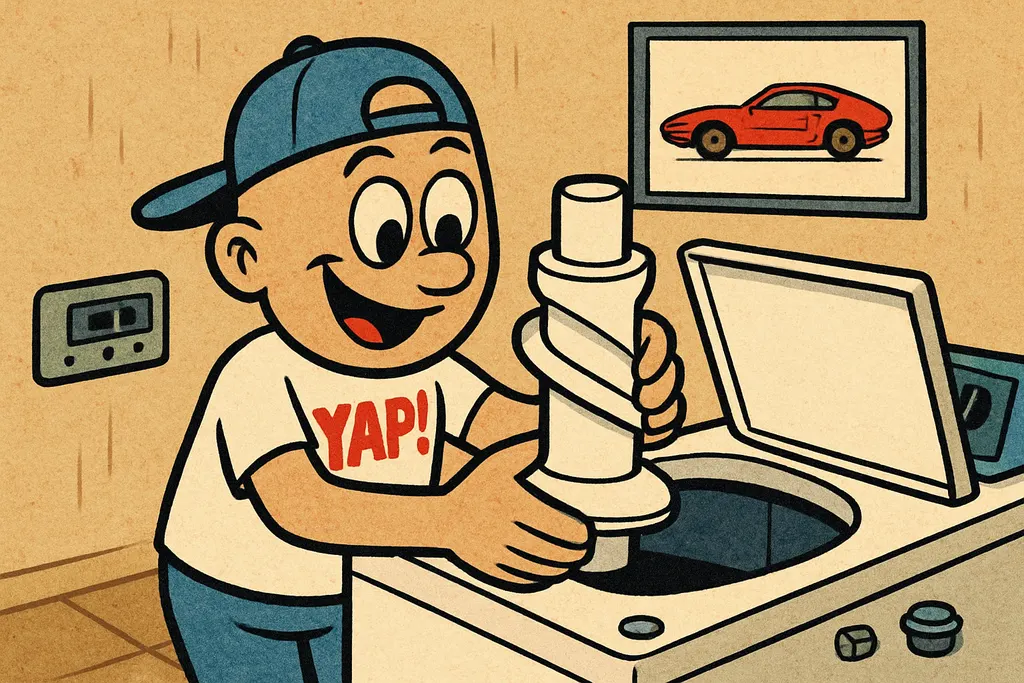
And if you already own either type and the agitator itself is broken — wobbling, stripped, or not moving at all — that's actually a pretty easy DIY repair. The agitator assembly pops off (usually just a bolt under the fabric softener dispenser cap) and the replacement part is almost always available right at the counter. Prices vary by brand but it's rarely a gut-punch repair.
When to Call YAP vs. DIY
DIY it: Replacing a broken agitator on a machine you already own is beginner-level stuff — if you can turn a wrench, you can do this in 20 minutes. Stop by the Piedmont shop with your model number and we'll have the right part waiting.
Call YAP: If you're not sure whether your machine's poor cleaning performance is the agitator, the drive block, the transmission, or something else entirely — don't guess and buy wrong. Hit us up and we'll help you diagnose before you spend anything.
Look, the agitator vs no agitator washer debate doesn't have a villain. Both machines clean clothes. The right call just depends on your household, your laundry habits, and your budget. And if your current machine needs parts to keep running strong, that's always going to be cheaper than buying a whole new washer — agitator or not.
Swing by the Piedmont shop or text us at 405-876-8100 and we'll point you in the right direction, no upsell, no runaround.
Find your exact part.
Tell us your model number and what's broken — we'll match the OEM part, price, and availability in under 5 minutes.
Find My Part →