Your GE microwave hums, the light's on, the turntable's spinning, the fan's blowing, and your coffee is still cold. Something is deeply wrong, and it's not the outlet.

What's Actually Going On
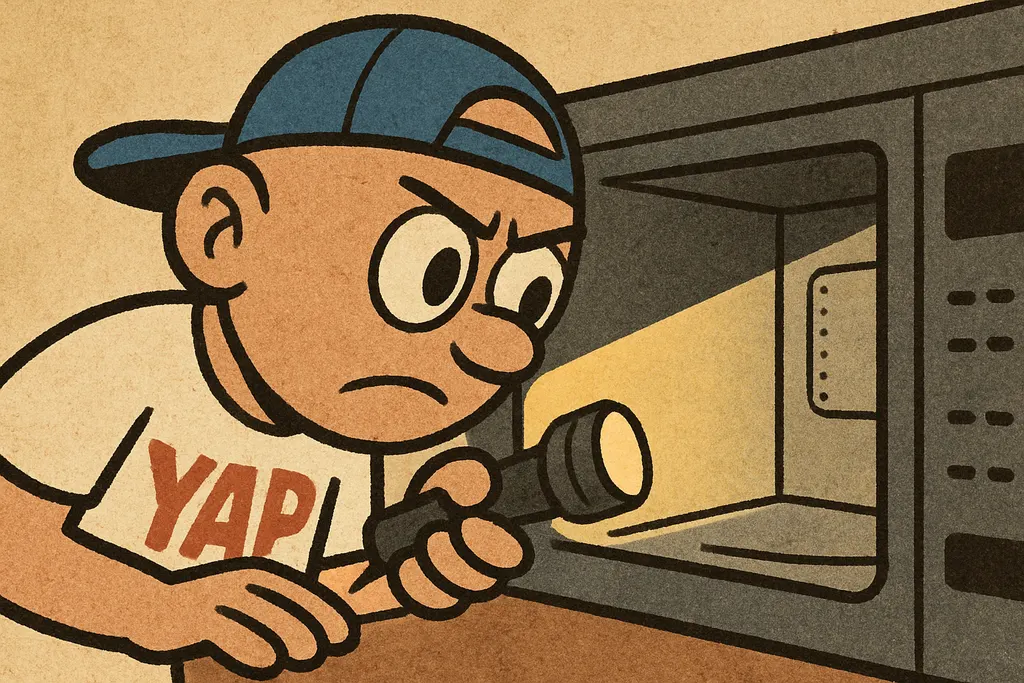
When a microwave runs but no heat is produced, you're dealing with a failure somewhere in the high-voltage circuit, the part of the machine that actually generates microwaves. The three usual suspects are the magnetron, the high-voltage diode, and the door switches. From the outside, all three failures can look identical: everything seems to work, but your food stays cold. The magnetron is the big-ticket item, so let's figure out if that's actually what's dead before you go spending money.
The magnetron is essentially a specialized vacuum tube that converts electrical energy into the microwave radiation that heats your food. When it fails, sometimes it goes quietly, just stops producing heat. Other times it lets you know with a loud buzzing or humming noise that's different from the normal operating hum, or even a faint burning smell. If you've noticed either of those, your magnetron is telling you goodbye. A failed high-voltage diode produces similar no-heat symptoms but is a much cheaper fix. A bad door switch can also interrupt heating while leaving everything else running normally.
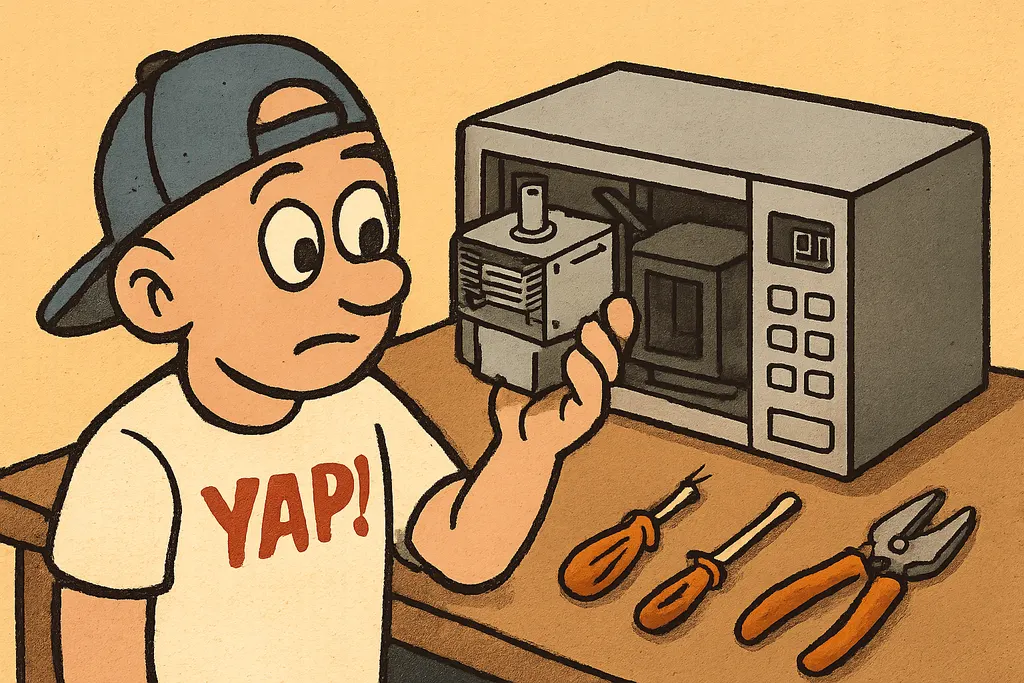
Here's the part where we have to be completely straight with you: do not open the cabinet on your microwave. This isn't us being dramatic. The high-voltage capacitor inside stores a lethal electrical charge, we're talking 2,000+ volts, and it holds that charge even after the microwave is unplugged. People have died from this. Diagnosing and replacing these components is strictly a job for a qualified appliance tech or someone with proper discharge tools and training. No YouTube video is worth your life, fam.
The Fix. And What It'll Cost You
Here's where the math gets real, and it's the conversation we have at the YAP counter in Piedmont probably once a week.
Magnetron replacement cost on a GE microwave typically runs somewhere in the $100, $200 range for the part alone, depending on your specific model. Labor from a tech adds to that. The high-voltage diode is much cheaper, usually under $20, and is absolutely worth replacing first if your tech suspects it before condemning the magnetron. Door switches are also inexpensive and easy to rule out early.
So before you decide anything, ask yourself:
- How old is the microwave?
- Was it a budget unit or a mid-range/over-the-range model worth repairing?
- Is there a burning smell or loud buzz, or just no heat?
If it's a cheap countertop unit under five years old, a magnetron replacement might cost more than the microwave is worth. If it's a built-in or over-the-range GE that would cost $400+ to replace, fixing it almost always makes sense.
The move: Find your model number (it's usually inside the door frame on a sticker), write it down, and bring it to us. We can look up whether the magnetron and diode are stocked or orderable, give you an honest microwave magnetron cost for your specific unit, and help you decide if the repair pencils out before you call a tech.
When to Call YAP vs. DIY
Call YAP (and then a tech): Any microwave not heating situation. Full stop. The high-voltage circuit is not a DIY job, get the right part number from us, then have a qualified technician do the actual work.
DIY is fine for: Door switch replacements on models where the switch is accessible from the door frame without opening the main cabinet, but even then, confirm with us first based on your model.
If your GE microwave is running but not heating, don't guess and don't start unscrewing things. Swing by the Piedmont shop or call/text us at 405-876-8100 with your model number and we'll point you in the right direction fast.

Find your exact part.
Tell us your model number and what's broken, we'll match the OEM part, price, and availability in under 5 minutes.
Find My Part →