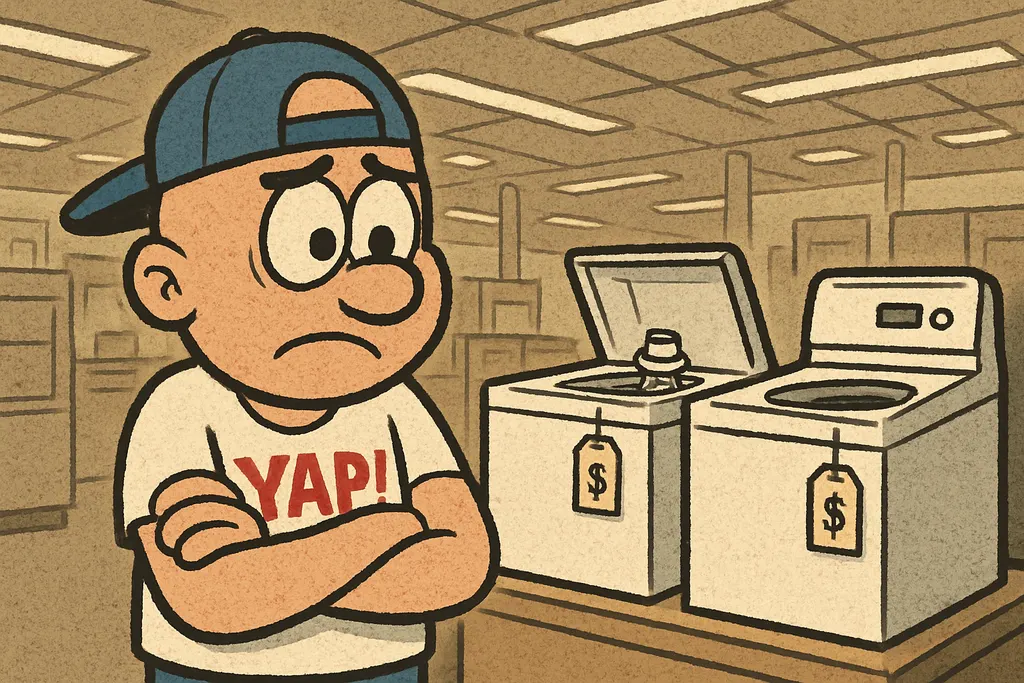
If you've ever stood in an appliance store staring at two nearly identical dryers with a $200 price difference and no idea why, this post is for you — we're breaking down gas vs electric dryers so you can stop guessing.
What's Actually Going On
Here's the deal: a gas dryer uses a natural gas (or propane) burner to generate heat, while an electric dryer uses a heating element — basically a big coil of resistance wire — powered by a 240V outlet. The drum, motor, and controls are nearly identical between the two. The combustion system is the whole difference.
Gas dryers cost more upfront — typically $50 to $150 more than a comparable electric model. But here's where the gas dryer advantages kick in: natural gas is significantly cheaper than electricity in most U.S. markets, including right here in Oklahoma. Heavy laundry households can recover that price gap in under two years just on utility bills. Gas also heats faster, which means shorter cycle times. If you're running load after load on a Saturday, that's not nothing.
The other thing worth knowing in the gas vs electric dryer conversation is that gas dryers require a 120V standard outlet and a gas line hookup. Electric dryers need that 240V outlet. If your laundry room already has a gas line run to it — common in older Oklahoma homes — going gas is usually the obvious move. If it doesn't, adding one is a licensed plumber job that costs real money, so factor that in before you fall in love with a gas unit.
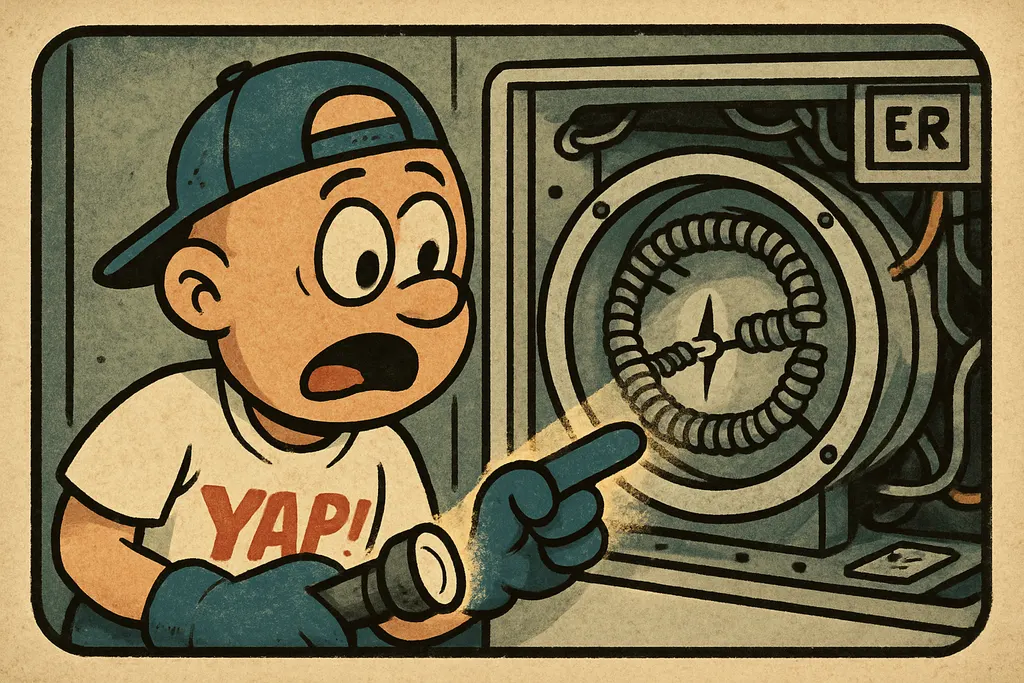
The Fix — Er, the Maintenance Plan
Gas dryers don't break differently than electric ones, but they do have some unique maintenance needs you should actually put on your calendar.
- Clean the lint trap after every single load. Yes, both dryer types need this. But with gas, a clogged lint path can interfere with combustion airflow and cause overheating or incomplete burns. Not just an efficiency issue — a safety one.
- Inspect and clean the exhaust vent duct at least once a year. Rigid metal ducting is ideal. Flexible foil accordion stuff traps lint and is a fire hazard. If your duct run is long or has multiple bends, clean it twice a year.
- Check the gas line connection periodically. You're not doing your own gas work — that's for a licensed pro — but you can do the soapy water bubble test on the connection fitting to check for leaks. If you see bubbles, stop using the dryer and call someone.
- Inspect the igniter and flame sensor every few years. The igniter is the part that lights the burner, and the flame sensor (sometimes called a radiant sensor) tells the igniter when to cycle off. These are common failure points on older gas dryers. Generic replacements are usually pretty affordable and available at — you guessed it — YAP.
- Watch your cycle times. If a gas dryer suddenly starts taking forever to dry a load, that's usually a venting issue, a failing igniter, or a bad thermal fuse — not a reason to buy a new dryer.
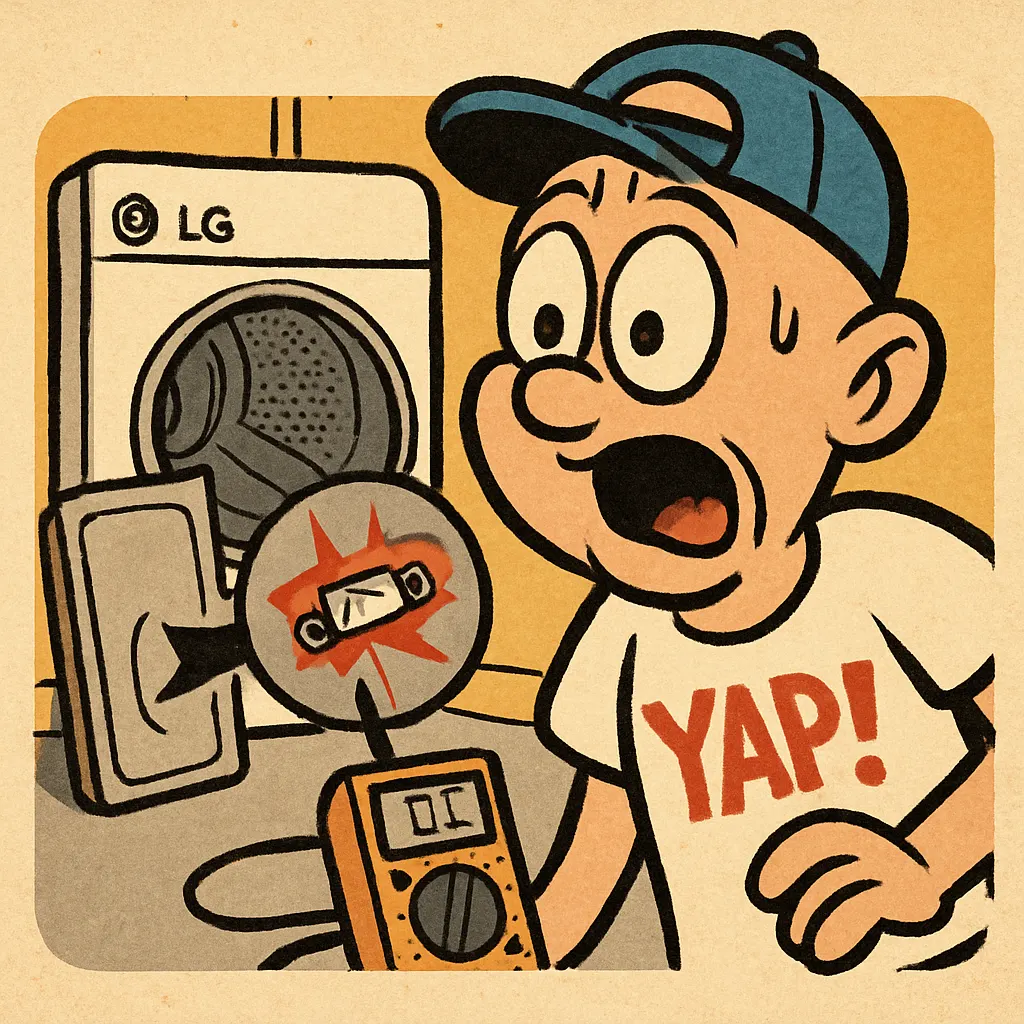
When to Call YAP vs DIY
DIY it: Cleaning the lint trap, cleaning the vent duct, replacing a thermal fuse, swapping out an igniter or flame sensor — all very doable for a motivated homeowner with basic tools. We can get you the part in most cases same day.
Call a pro (or at least call us first): Anything involving the gas valve itself, the burner assembly, or if you've got a suspected gas leak — stop, ventilate, and get a licensed tech involved. We can point you toward someone good.
Gas dryer maintenance is mostly about staying ahead of lint and keeping an eye on your ignition components. It's not complicated, but it does require more intentional upkeep than an electric dryer. The payoff in lower utility bills is real — you just gotta put in a little effort.
Swing by the Piedmont shop if you're not sure what part you need, or text 405-876-8100 and we'll figure it out together. We stock common gas dryer igniter and sensor components for most major brands, and if we don't have it on the shelf, we'll get it fast.
Find your exact part.
Tell us your model number and what's broken — we'll match the OEM part, price, and availability in under 5 minutes.
Find My Part →